Building Successful Teams
Mentoring junior staff to succeed in their work and reach their professional goals.
From my time at college supervising younger students to my current role supervising a team of project managers in my program portfolio, mentorship and team development are mainstays in my professional toolkit and are some of my favorite responsibilities.
My philosophy centers on tailoring my approach to each persons’ needs, adapting my style accordingly. Direct and clear communication, empathy, active listening skills, and follow-up are key features of how I support teams.
Role: Military Officer, Senior Manager
Duration: Career-long!
-
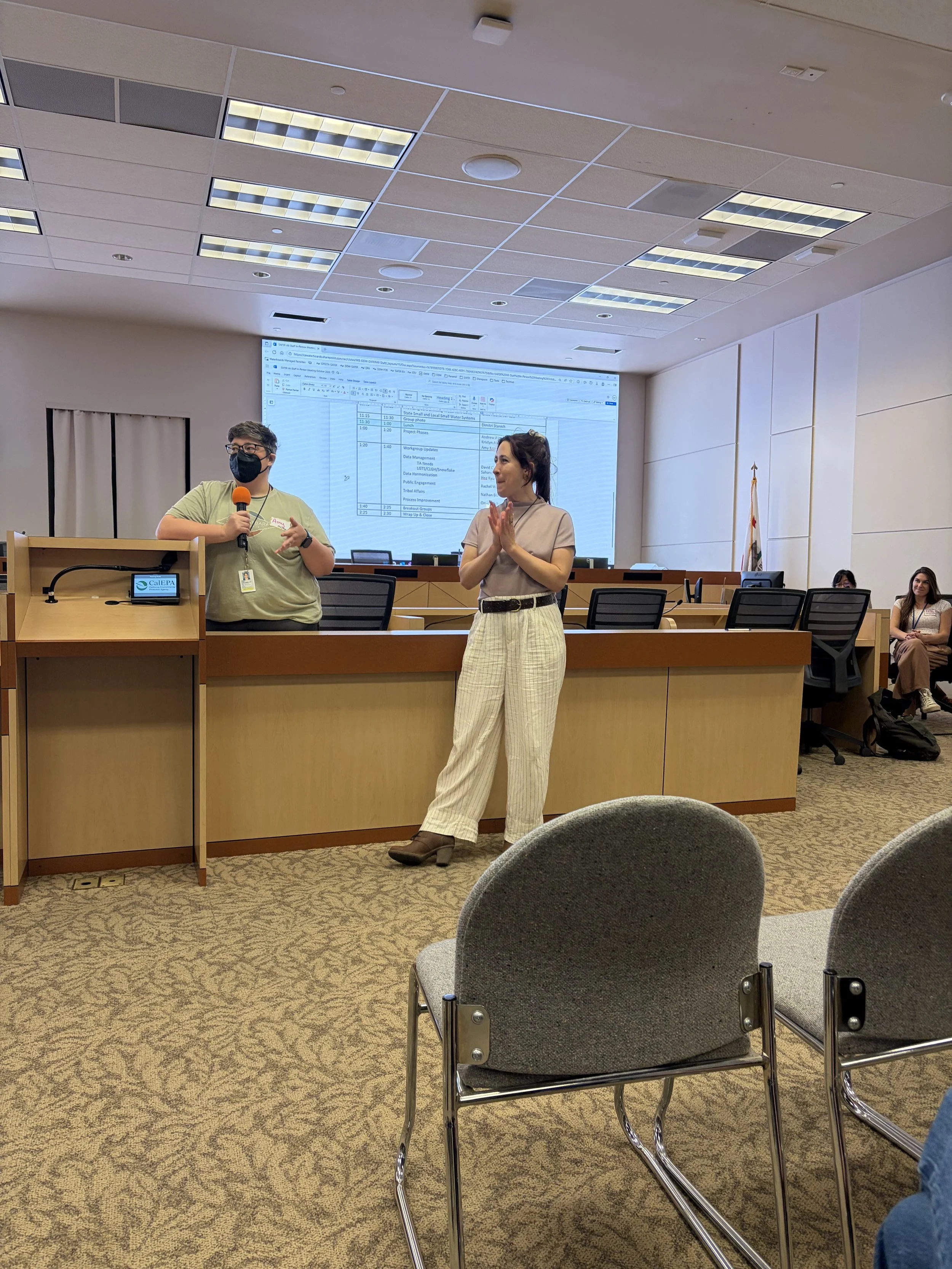
As a program manager supervising a team of four, I take pride in helping my team learn new skills and come closer to their goals. I have regular training and development sessions with each of them, often helping them with resume and interviewing skills. Over the past several years, I’ve helped four staff secure promotions.
I’ve taught my staff public speaking and presentation skills and guided them on leading their projects. A key part of my mentorship philosophy is building trust early so I can better support their goals. I work with my team to develop specific plans, projects, and trainings I can provide them to help them advance in their professional journey.
-
I was hired to mentor and supervise a team of junior managers to help them learn how to lead their own teams. I created professional development plans for each of them and supported them in regular one-to-one sessions. I learned about their goals and tailored our sessions to drive toward those goals. I encouraged them to apply for opportunities, helped them edit their applications, and practiced interviewing skills with them. As a result, four of these new managers secured promotions during my tenure.
-
As an officer, I supervised junior personnel throughout my career. One of the best benefits I have from my time in the military is the years of intentional leadership training I received. My experiences as a mission crew commander and lead instructor have equipped me with the skills needed to develop both individual capabilities as well as overall team dynamics. I served as lead instructor for a 500+ person unit, training new instructors in their roles and standardizing instruction across the corps.
-
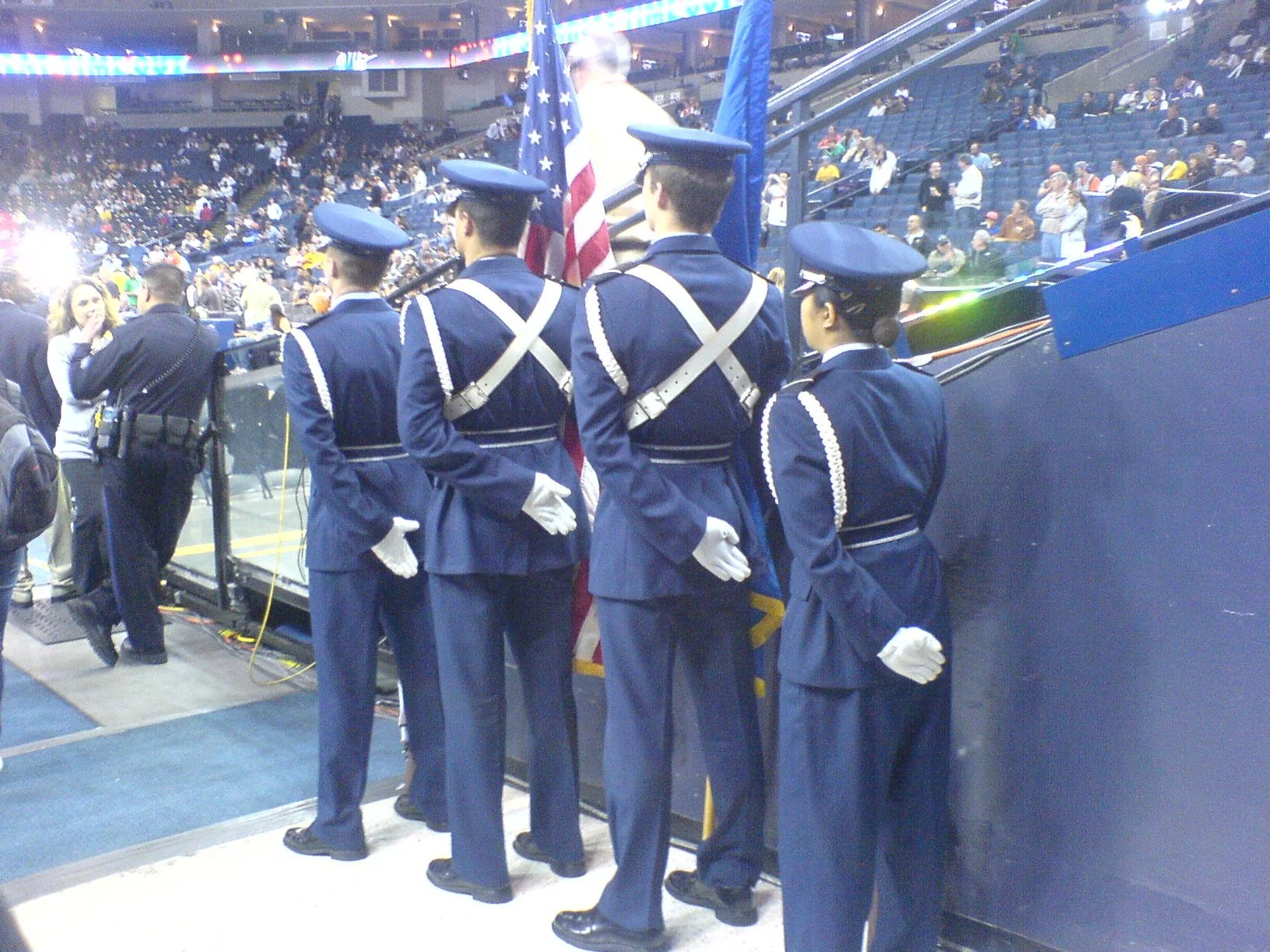
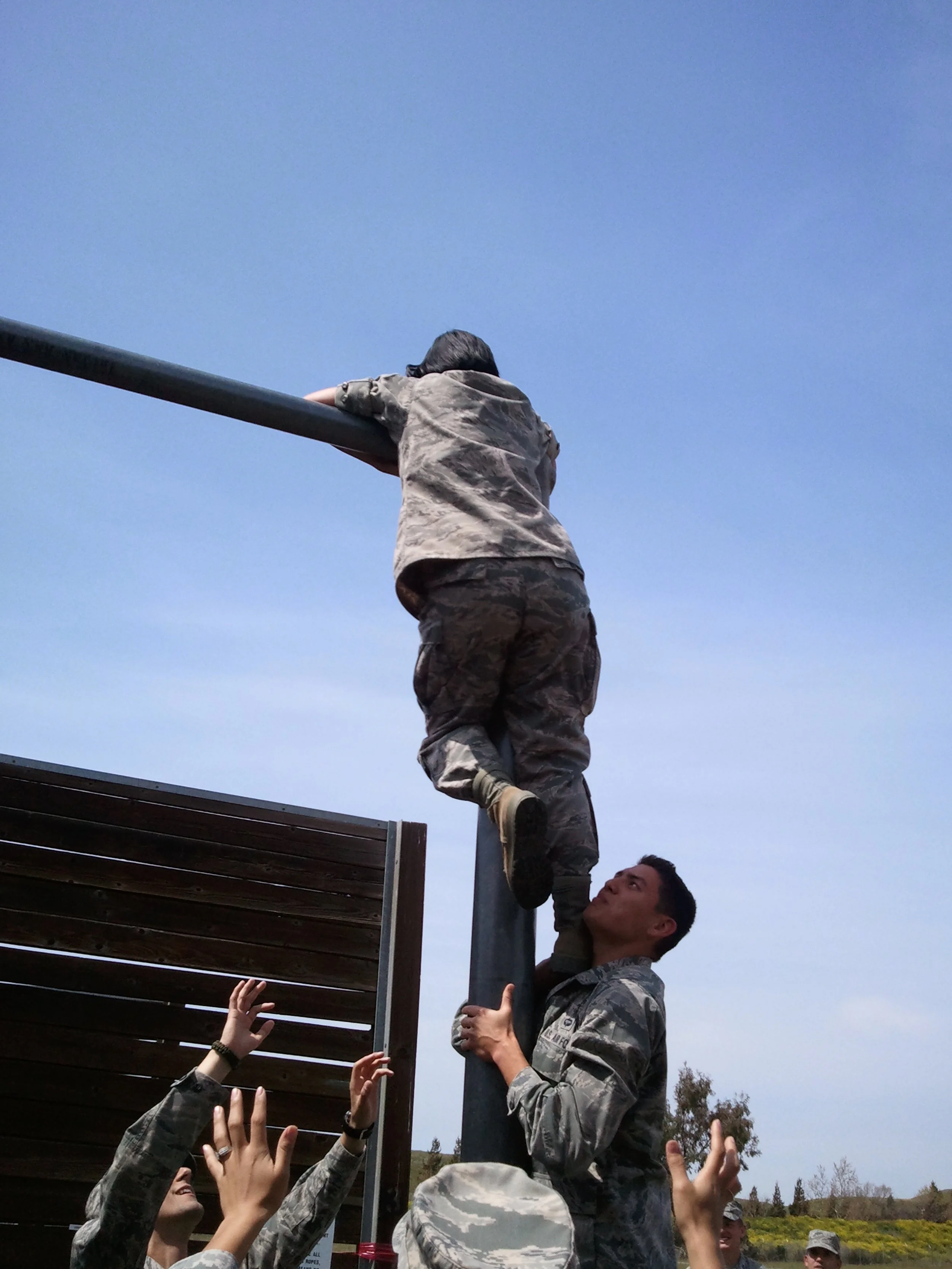
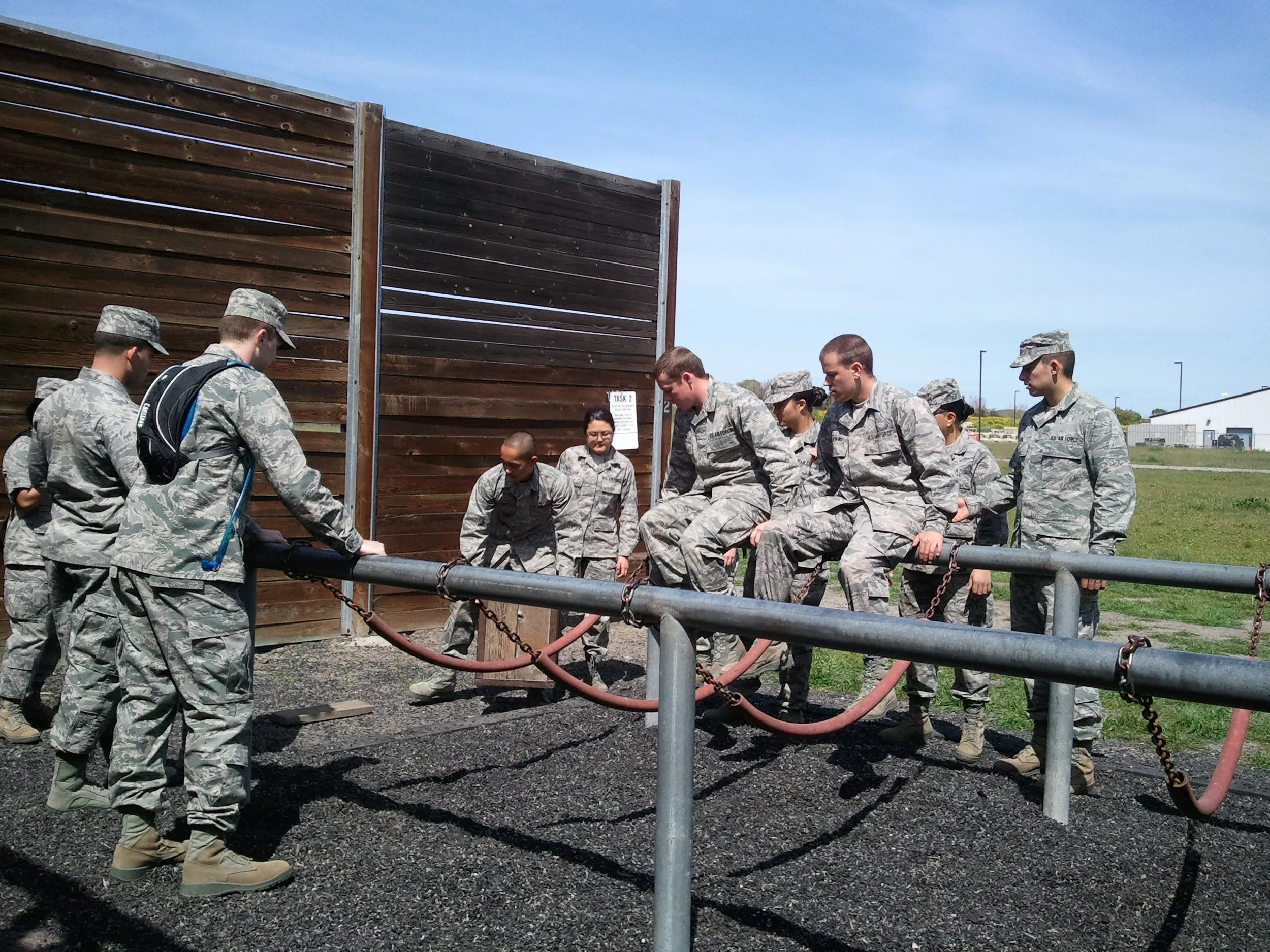
While an upperclassman, I mentored younger students in the Air Force’s university cadet training program. I helped them improve their physical fitness, learn military history and maneuvers, and increase their confidence to prepare them for active military service. The positive relationships I developed during this time continue today.