Dissertation: Parisian Public Drinking Fountains
The Parisian Public Drinking Fountains: A Roadmap to Sustainable Actions?
Role: Researcher
Duration: Spring to Fall 2022
Sites: Paris, France
This research project took place on site in Paris, France in 2022 and examined whether city policies such as the expansion of the public drinking fountain system encourages residents to incorporate other sustainable habits such as recycling and reducing vehicle usage. What follows is an excerpt from the abstract of my dissertation.
This study is centered on the public drinking fountains in Paris. It posits that the decisions taken relating to this potable water management and distribution system are rooted in a variety of values. These values may shift over time, from the conception of the original Wallace fountains in the 1870s, named for British-born Sir Richard Wallace, to present expansions and updates. Values such as the prioritization of public health, financial savings, community and artistic engagement, and plastic reduction are just a few examples of the types of values that inform water systems decisions in Paris… These values further underpin factors pertaining to fountain development, such as social, financial, and economic questions. They also reflect cultural norms that influence how, where, and what type of fountain is installed during network expansions.
Finally, the presence of these fountains, along with other city-level decisions, may be able to impact how individuals relate to questions of sustainability in their own lives. This study investigates to what extent fountain users and potential users are encouraged to begin or increase other sustainability-related actions in their individual lives based on their engagement with the fountains. It questions whether these fountains encourage the use of reusable water bottles over plastic bottles and whether this encouragement of sustainable water use and bottle use spark interest in additional sustainable actions.
While centered on Paris, the lessons from this study and opportunity for further research can apply to other locations as cities consider how best to motivate sustainability in their jurisdictions.
Rachel Wittenberg, “The Parisian Public Drinking Fountains: A Roadmap to Sustainable Actions?”, 2022
-
I believe sustainability is interactive; it exists not in one siloed sector, but in the small steps we take every day. For this project, I was interested to learn whether being able to refill a reusable water throughout the day translated into other sustainable habits.
-
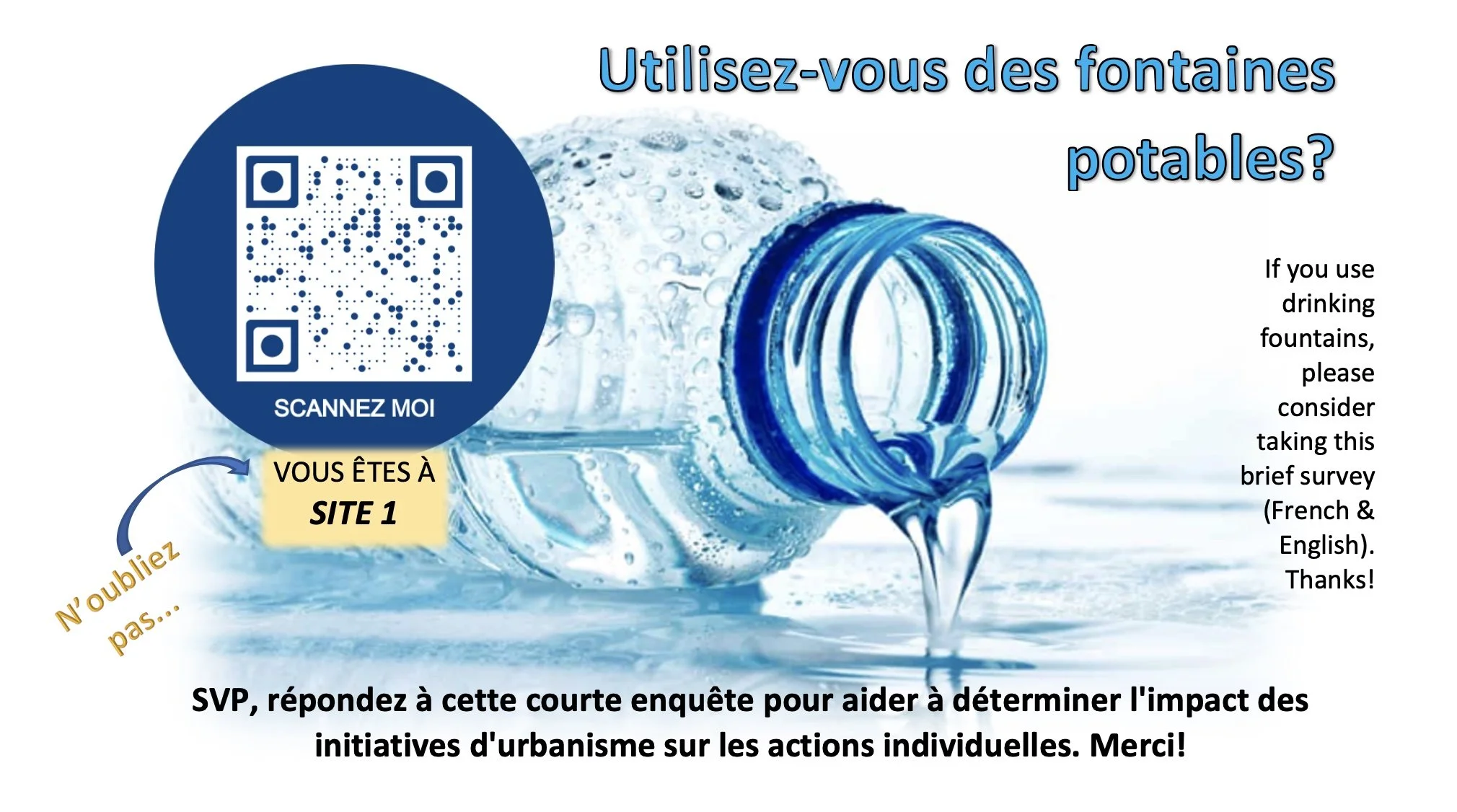
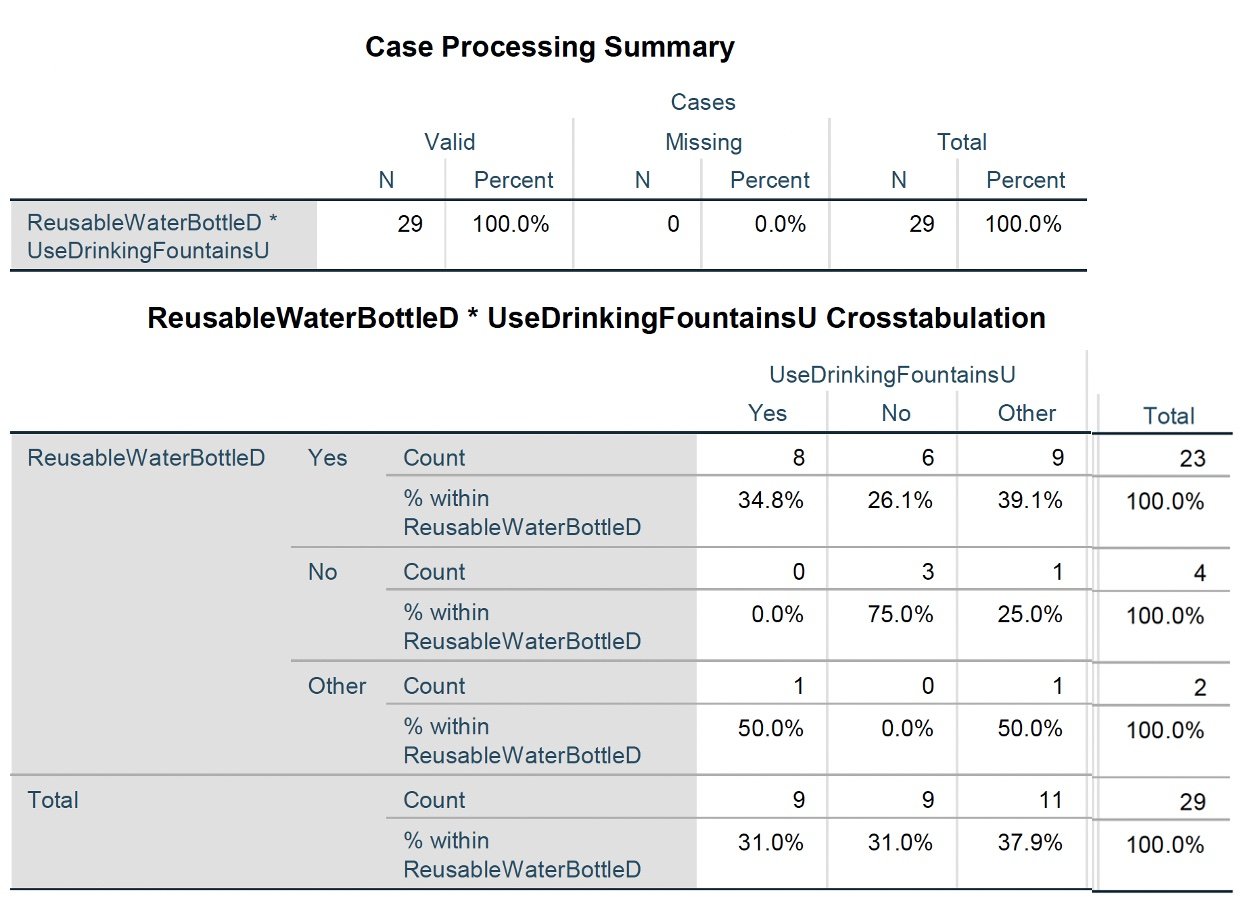
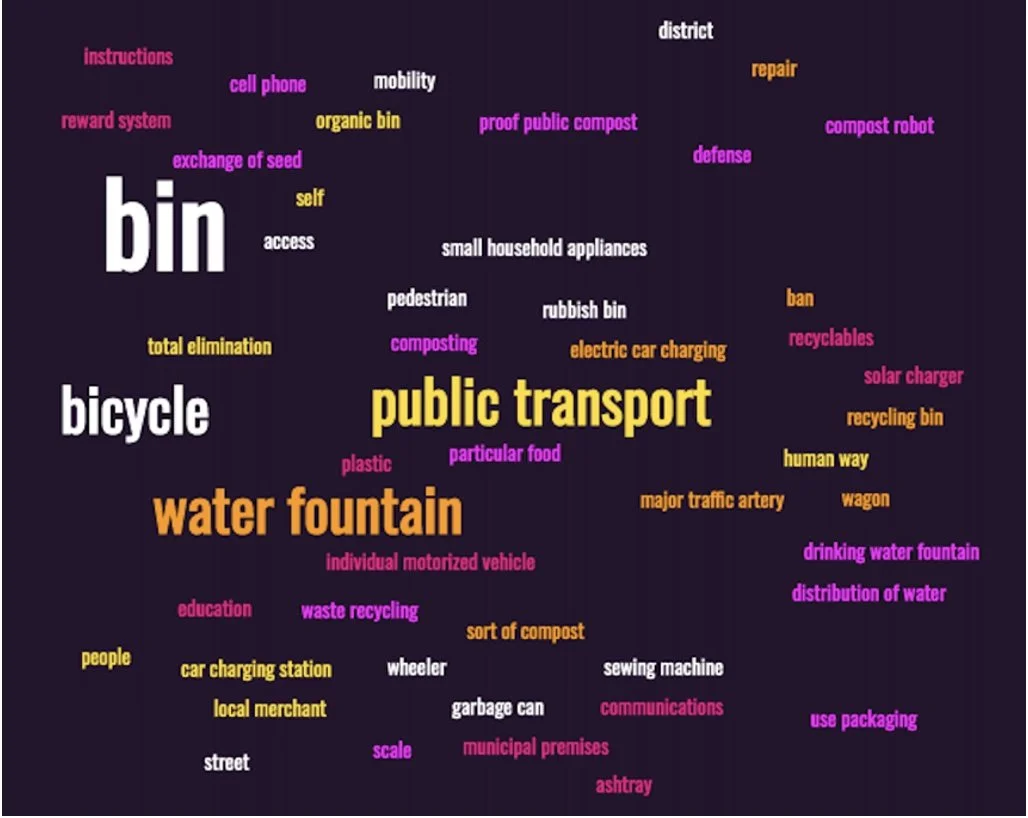
For this research project, I conducted archival analysis at the Paris National Archives. I also conducted research at the Pavillon de l’Arsenal (Paris’ center for architecture and urbanism) and the Parisian water utility’s (Eau De Paris) museum, the Pavillon de l’Eau. I created a bilingual survey in French and English, developed an engagement strategy, and posted the survey at key drinking fountain locations throughout the city. I analyzed the results using SPSS and thematic analysis and directly supported residents in accessing drinking fountains.
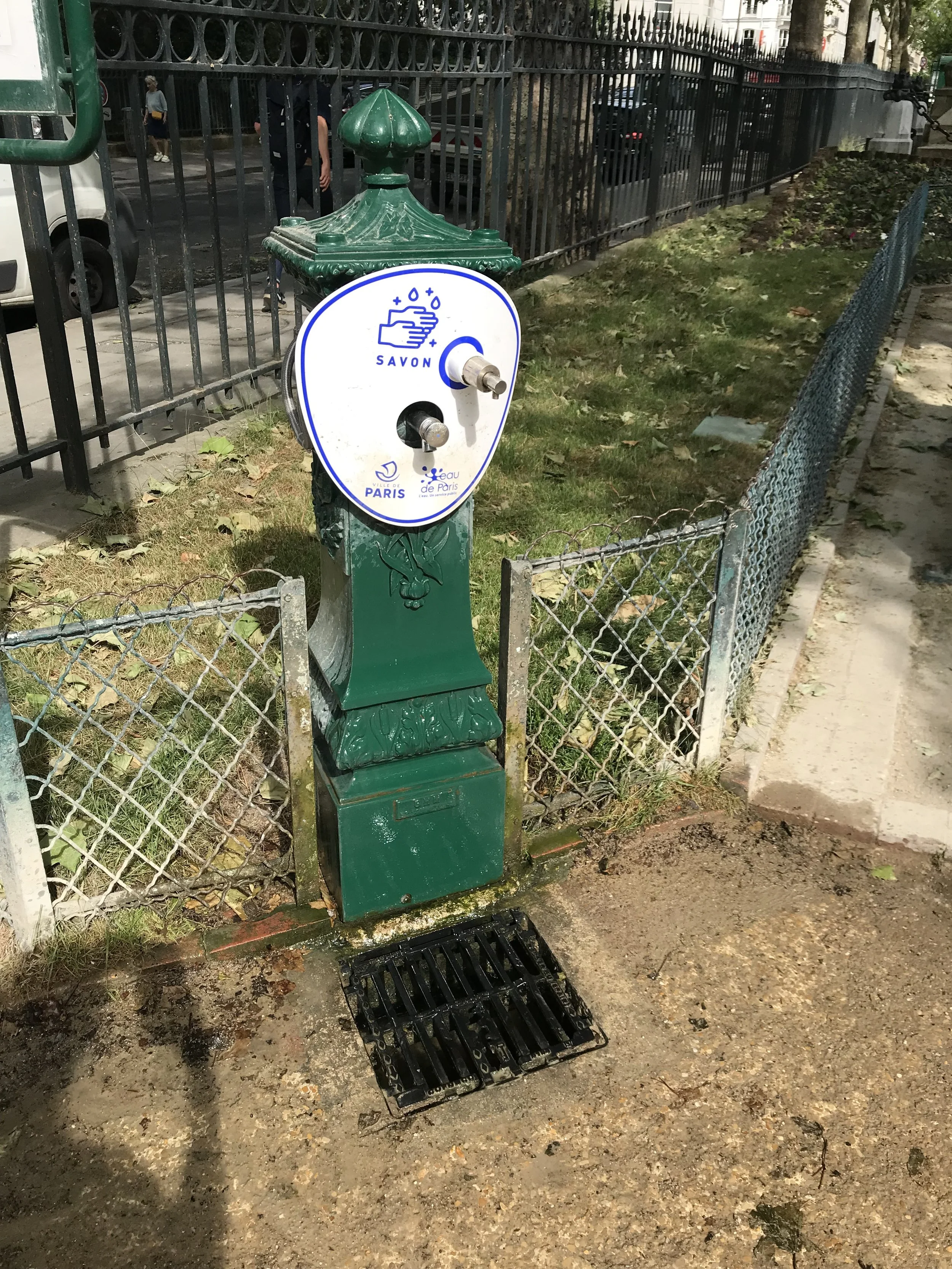
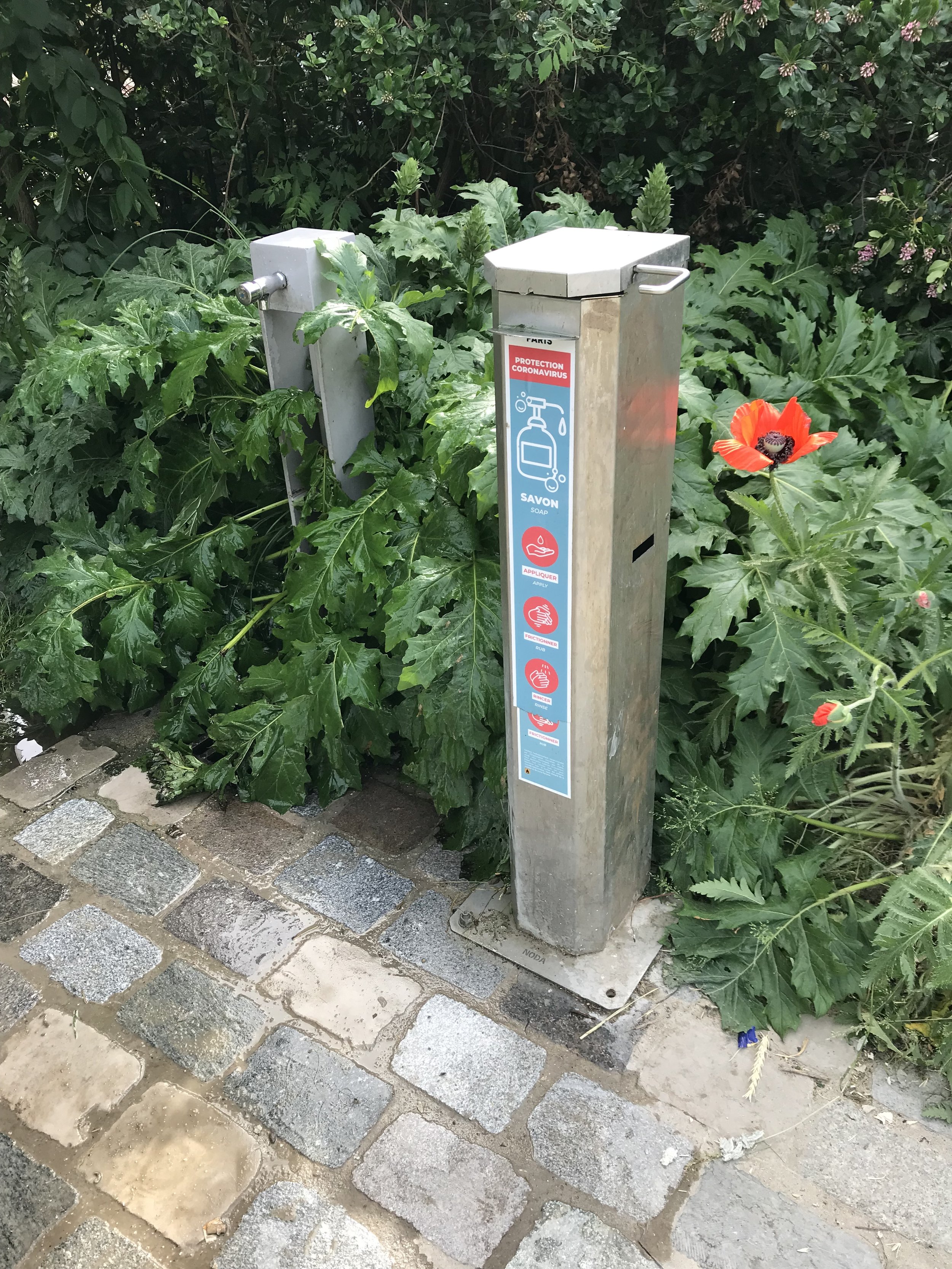
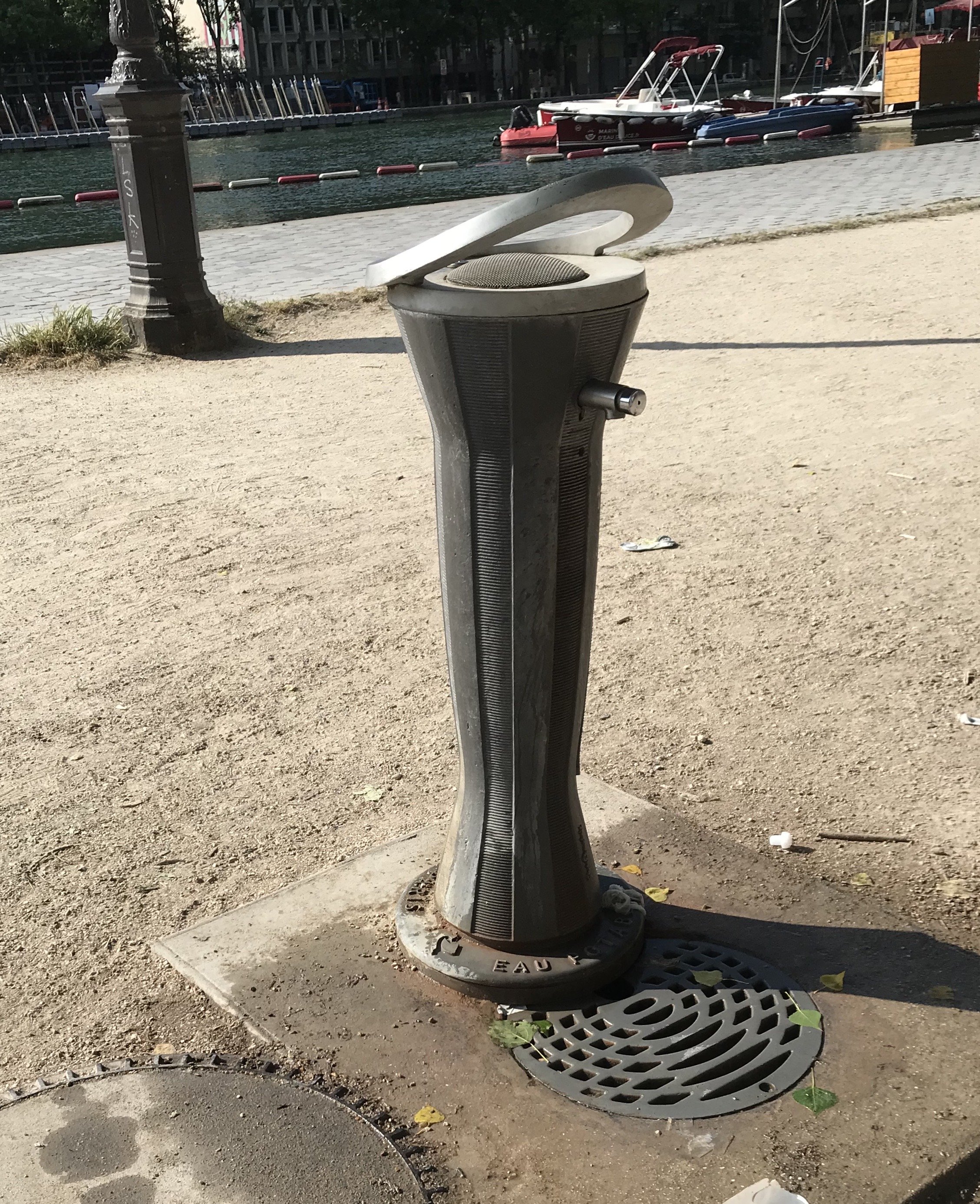
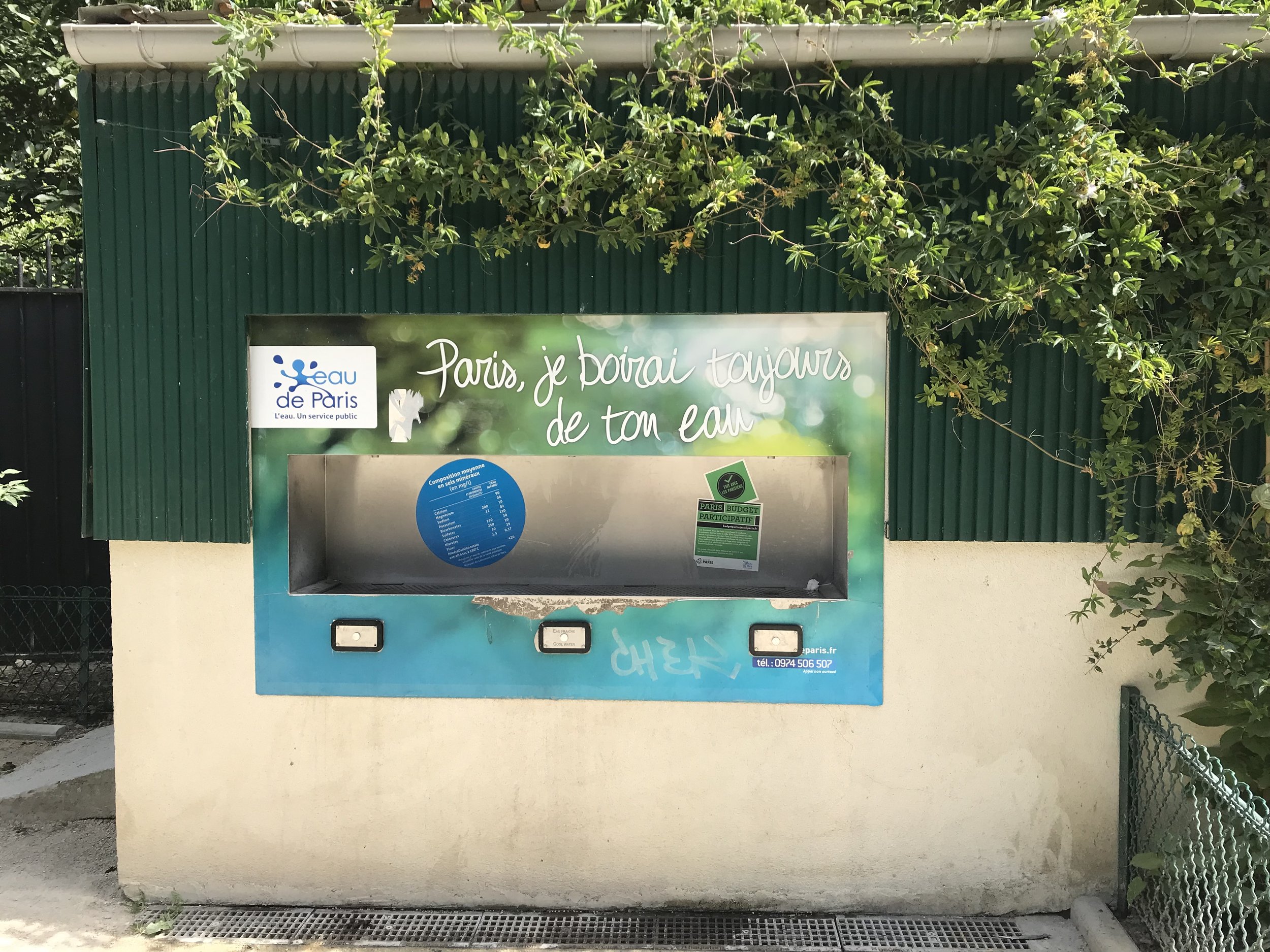
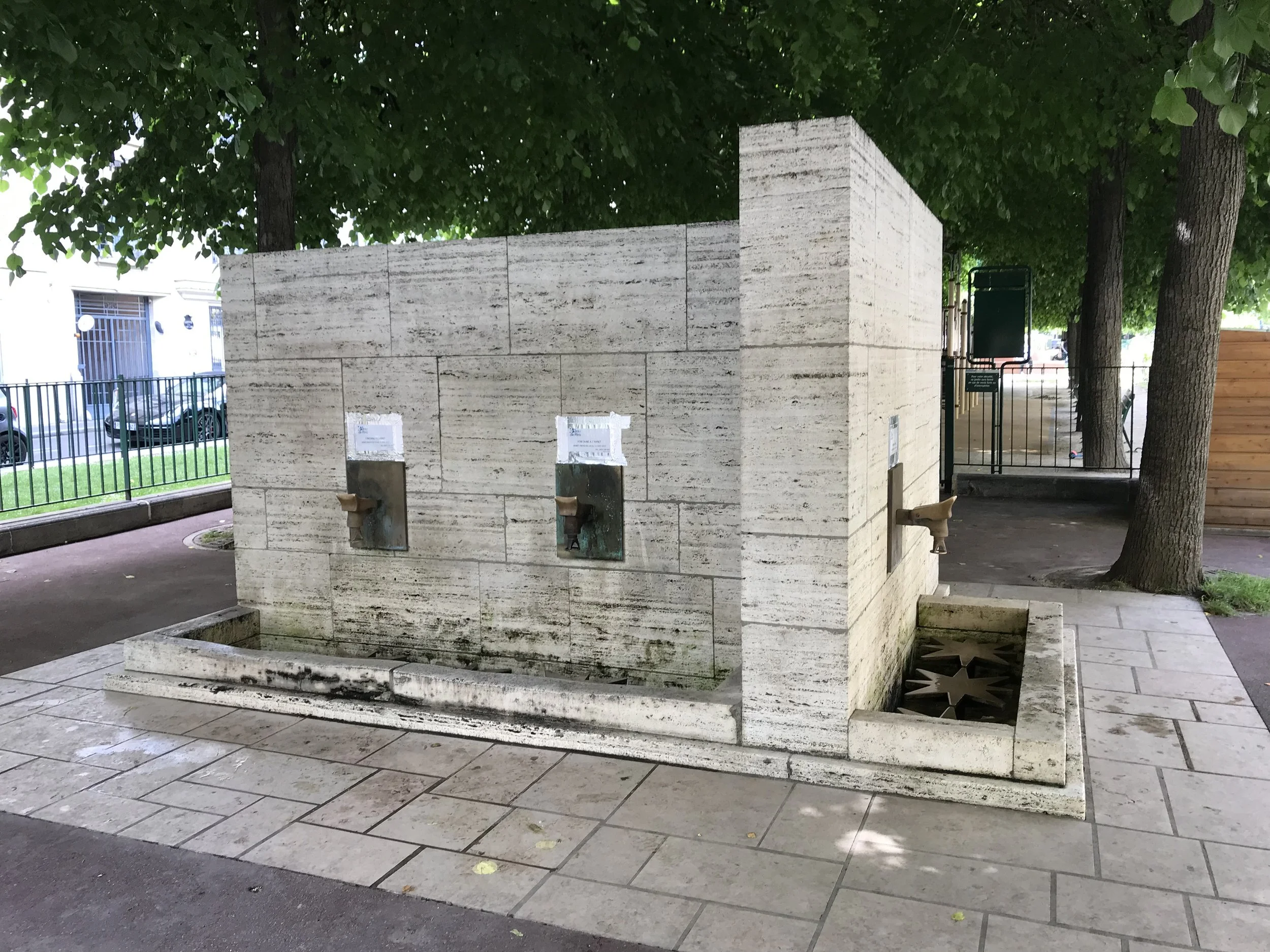
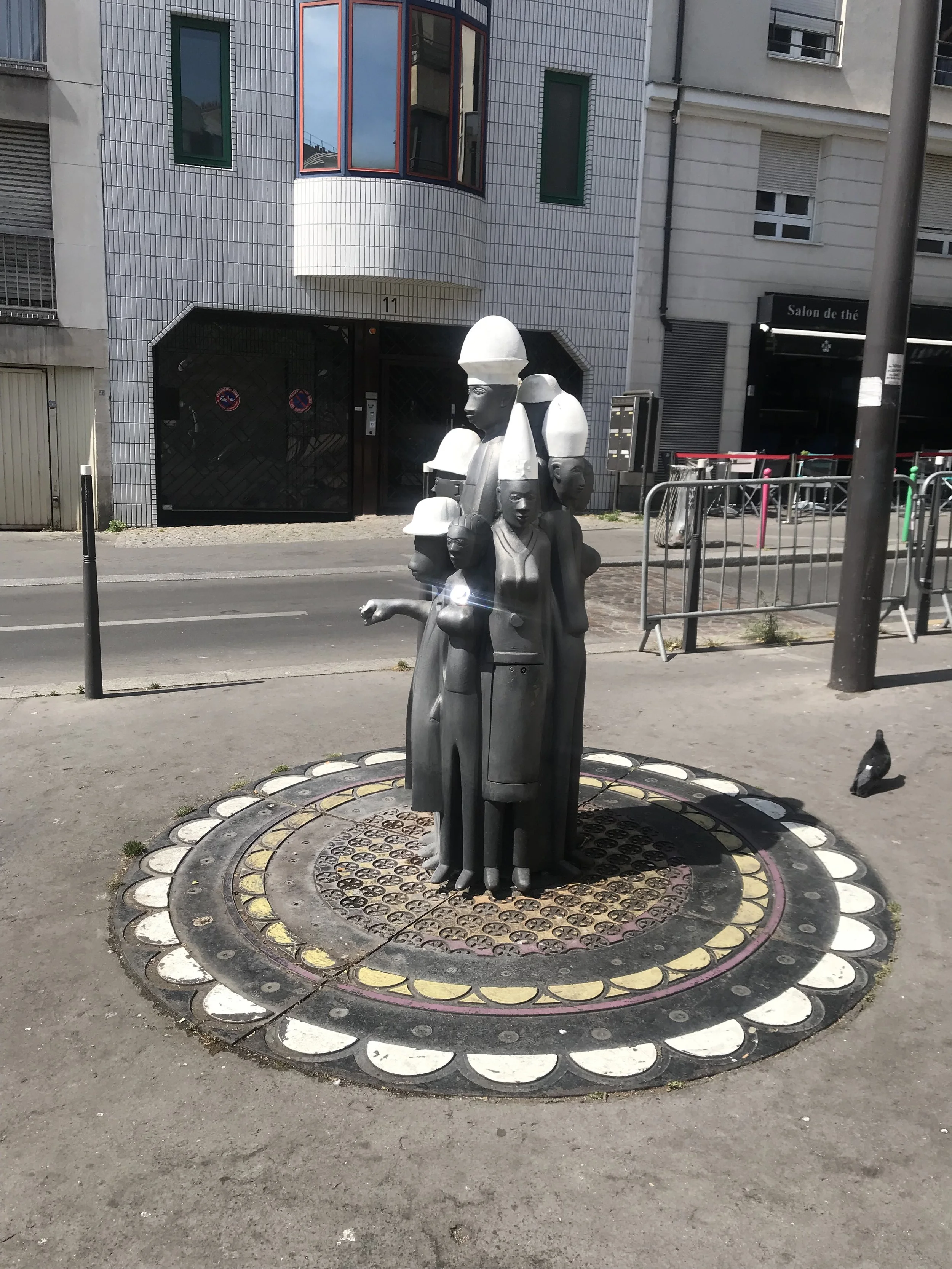
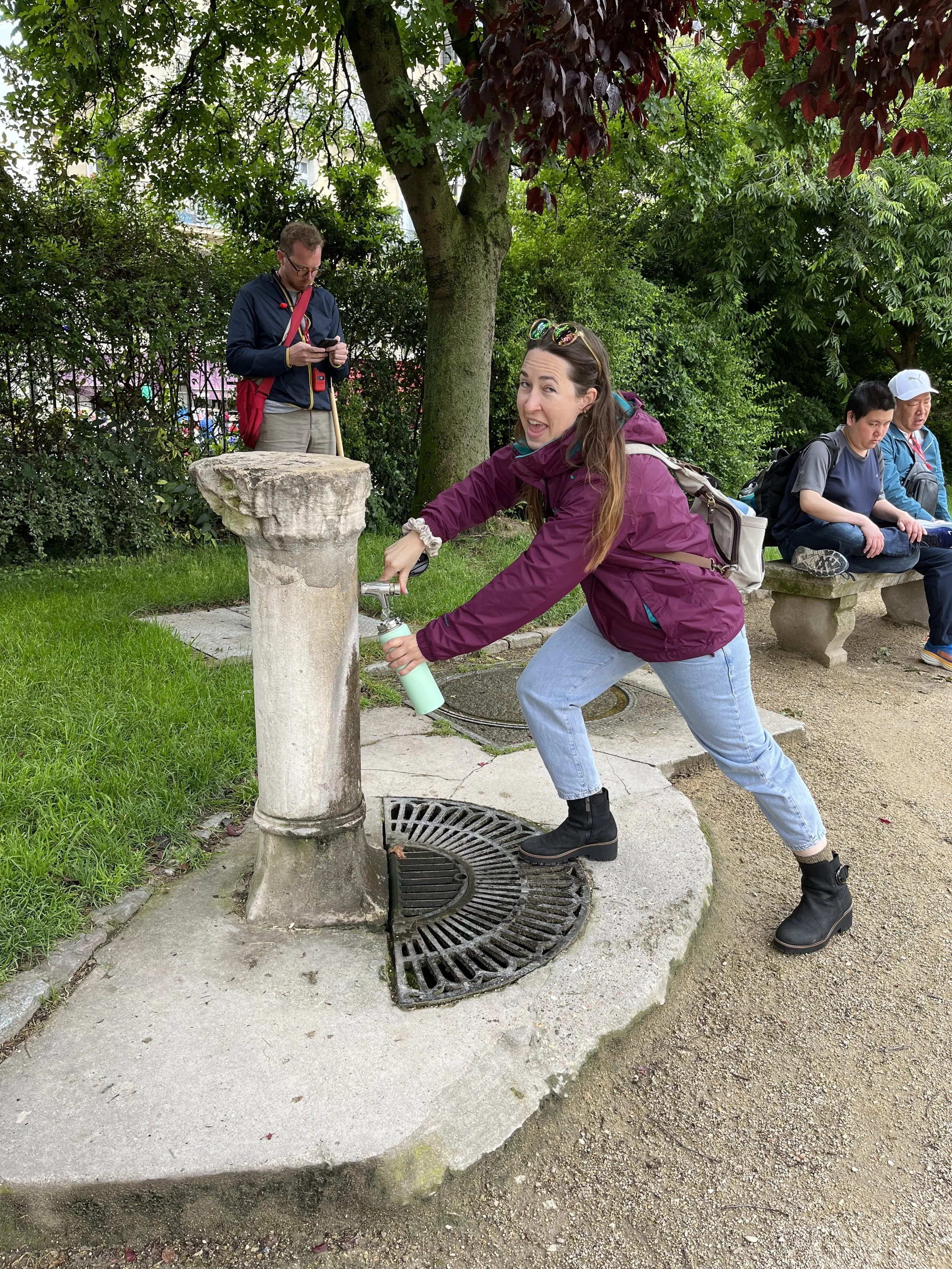
There are 9 fountain types across the city:
Garden (located in woods, parks, and gardens)
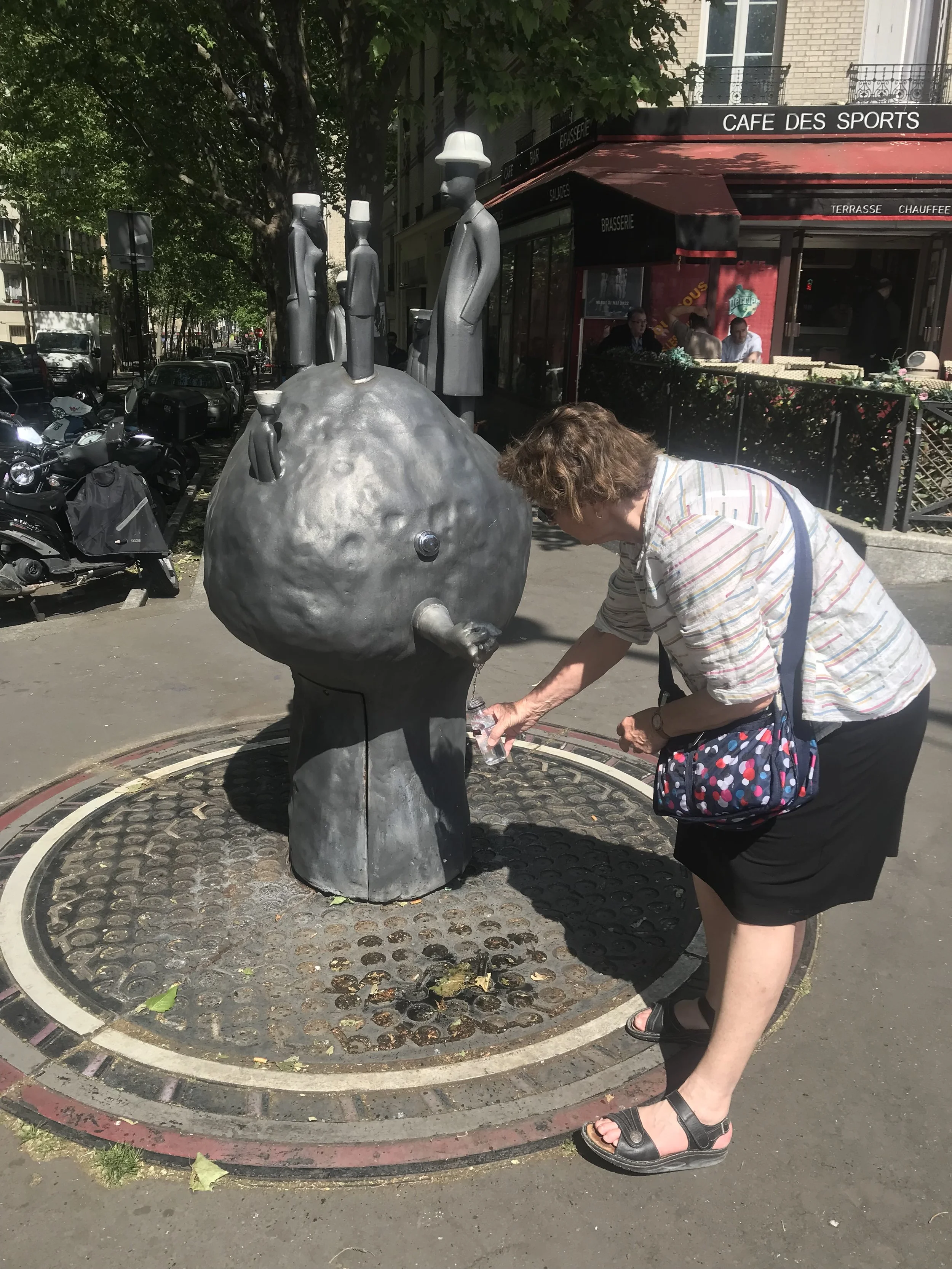
Totem (designed for conviviality with multiple spouts)
Borne (part of an infrastructure modernization effort in the 1800s)
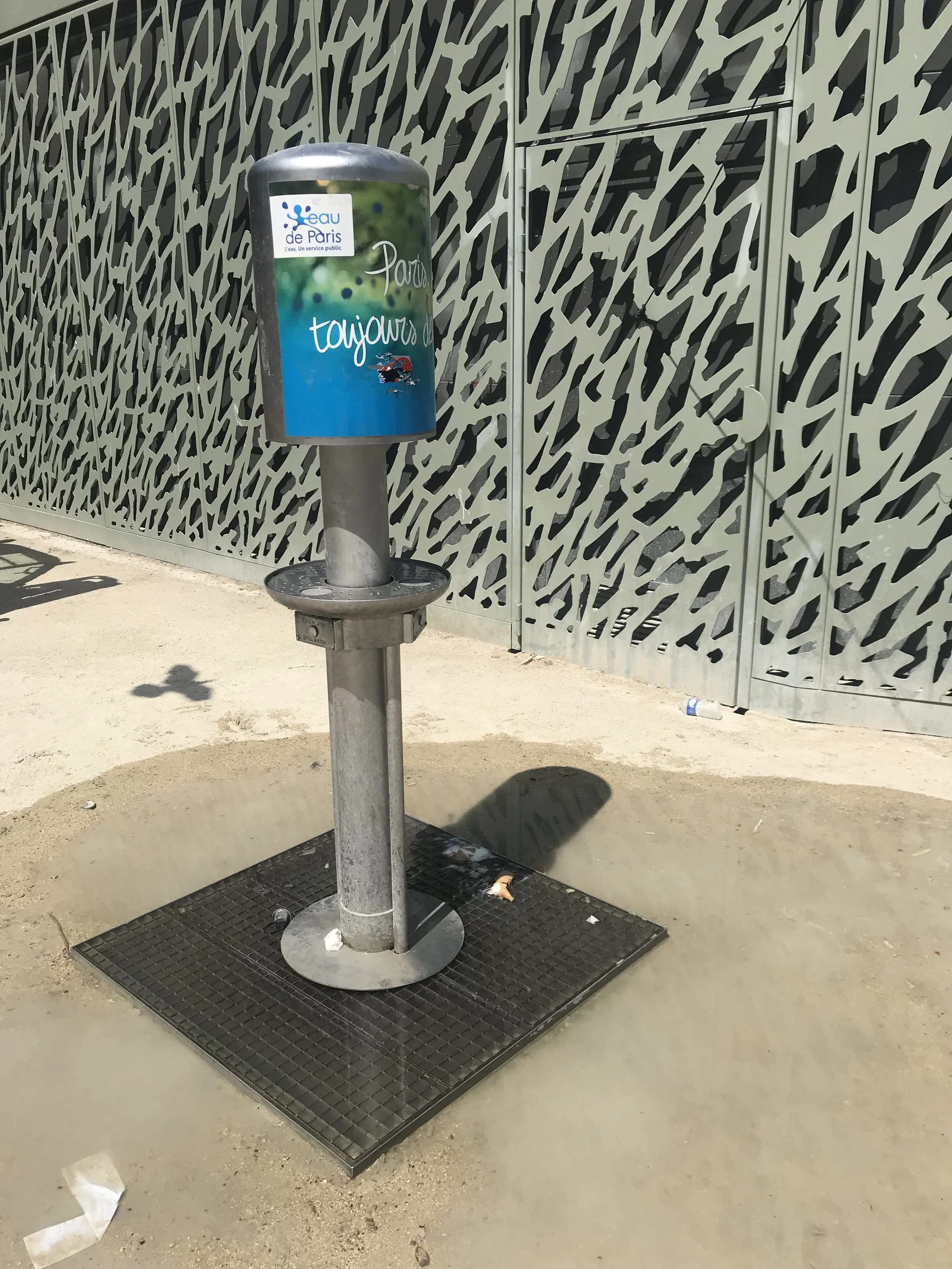
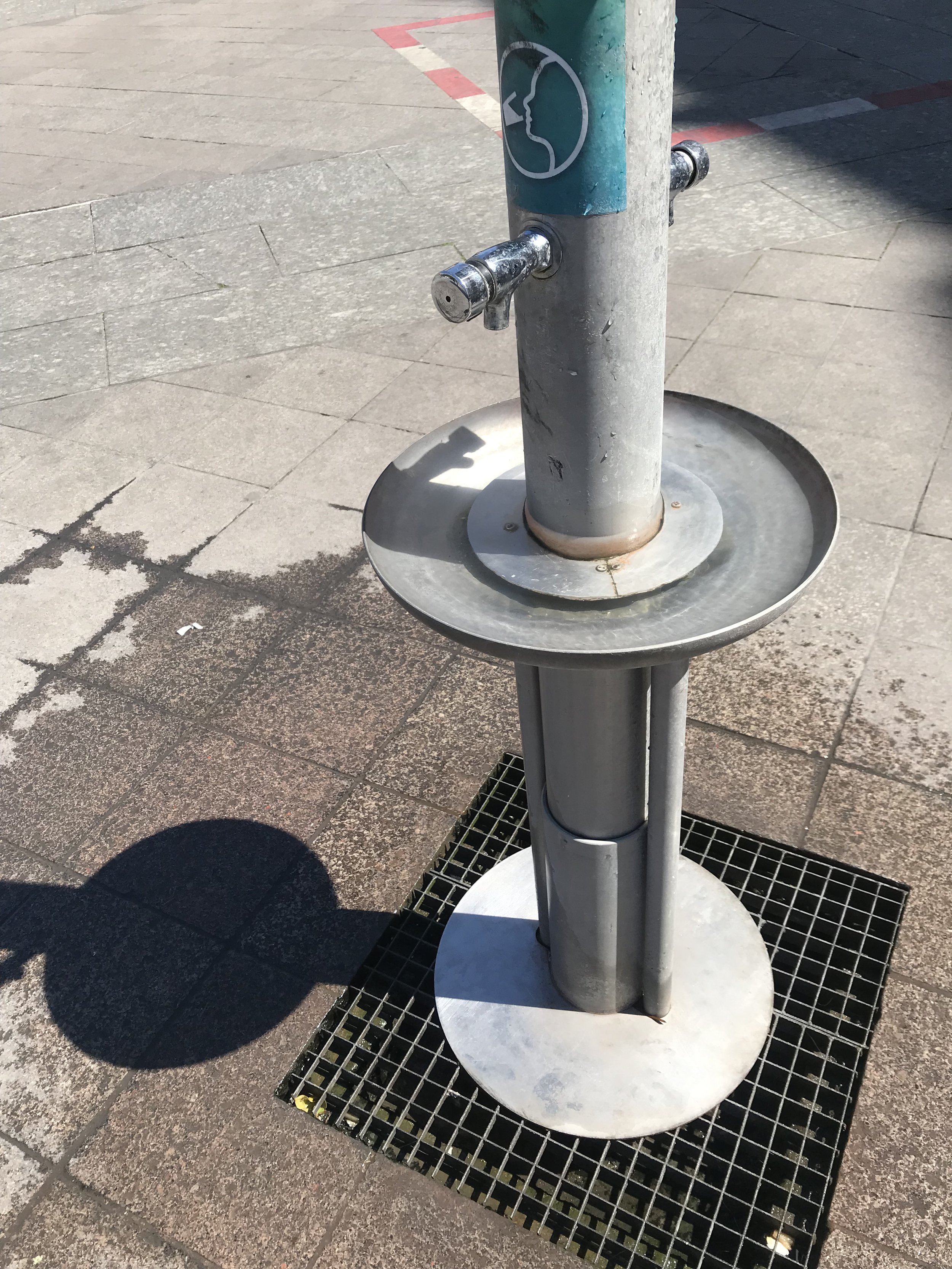
Arceau (a functional effort to promote fountain use and features spouts at various heights as well as hand-washing options)
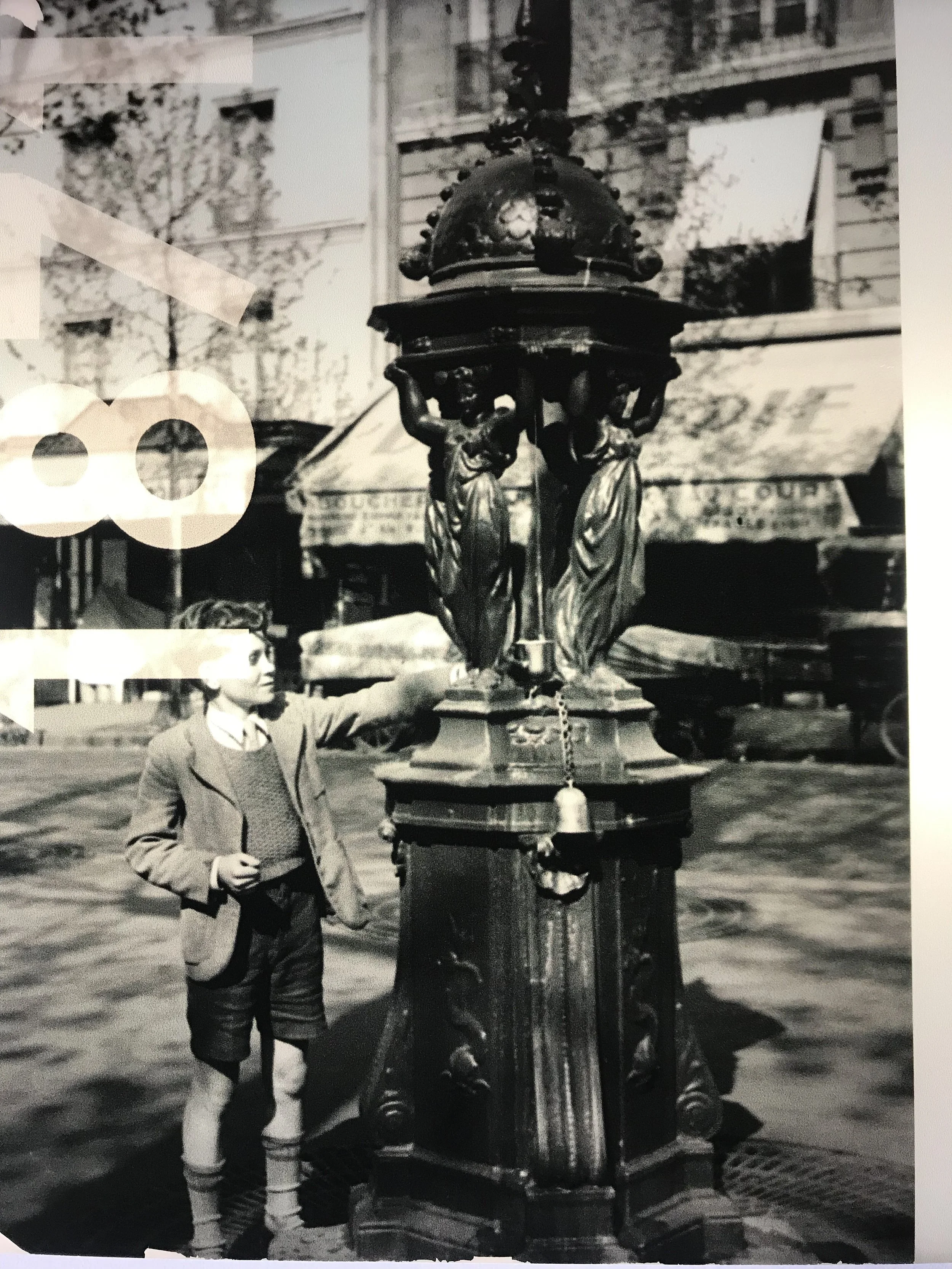
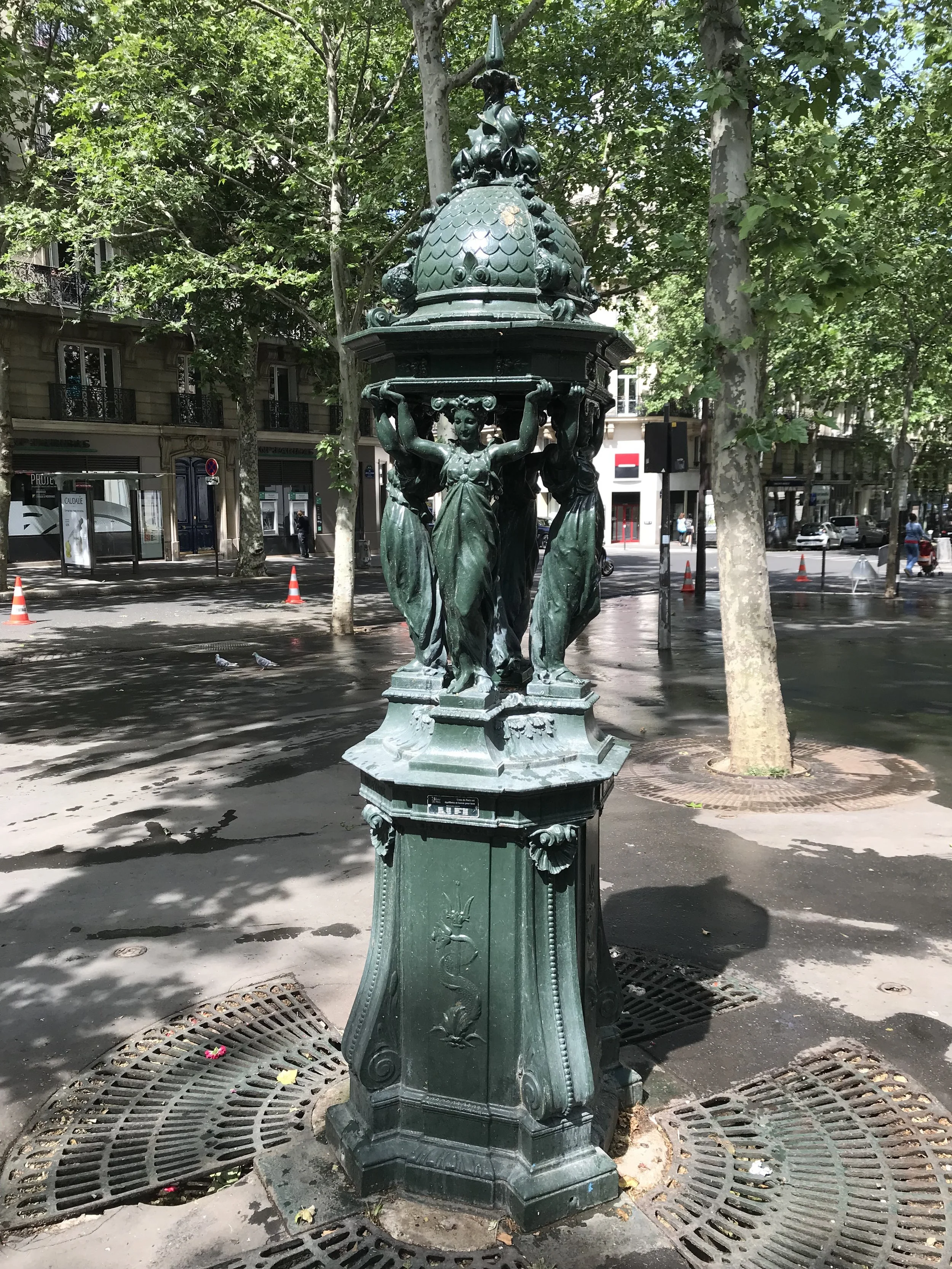
Wallace (the original fountains, funded by British expat Sir Richard Wallace)
Millenium (a design competition from 2000 meant to integrate the urban and historical landscape)
Albien (connected to Artesian wells)
Poings d’Eau (Fists of Water, a community-participatory art installation)
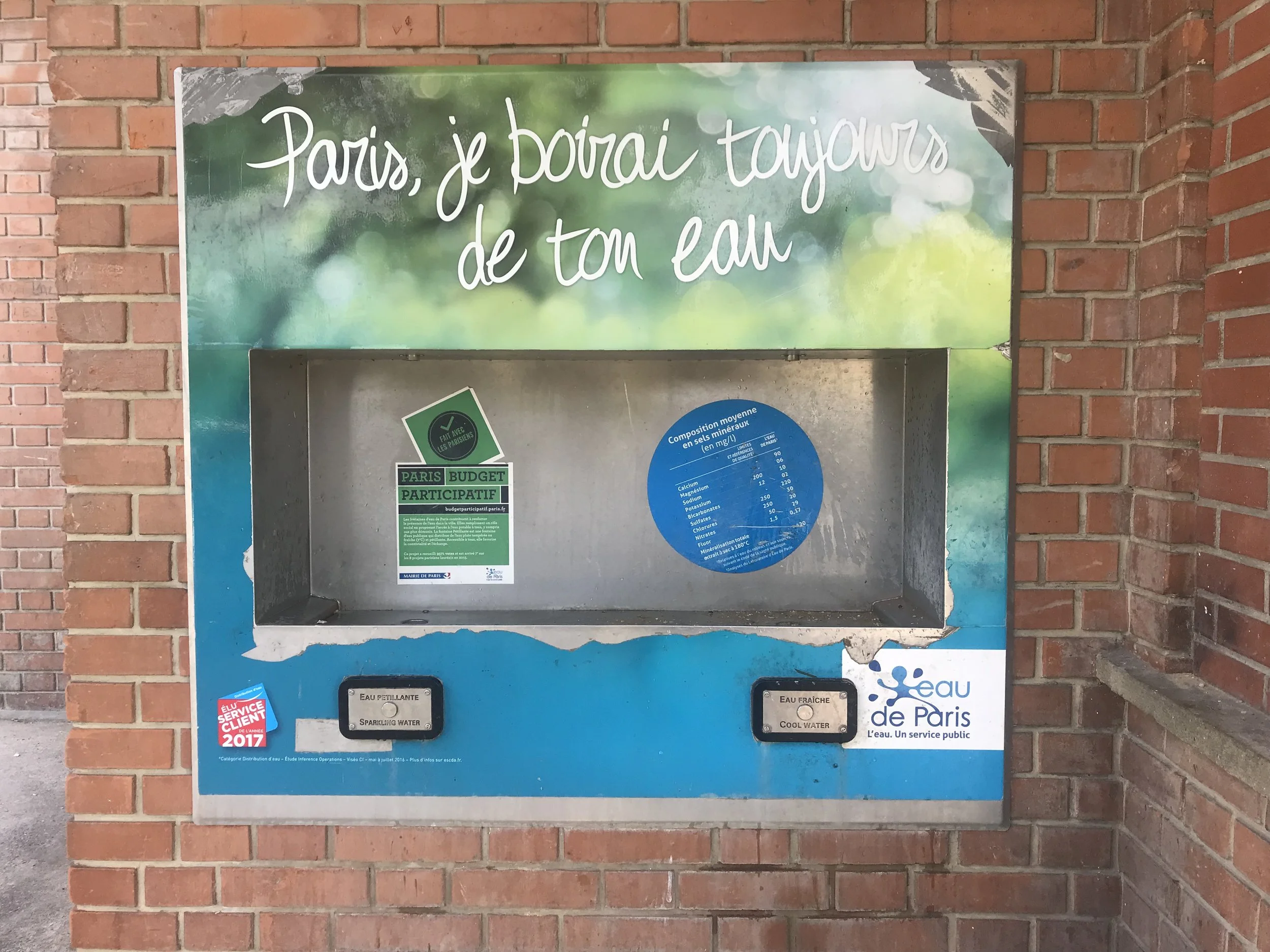
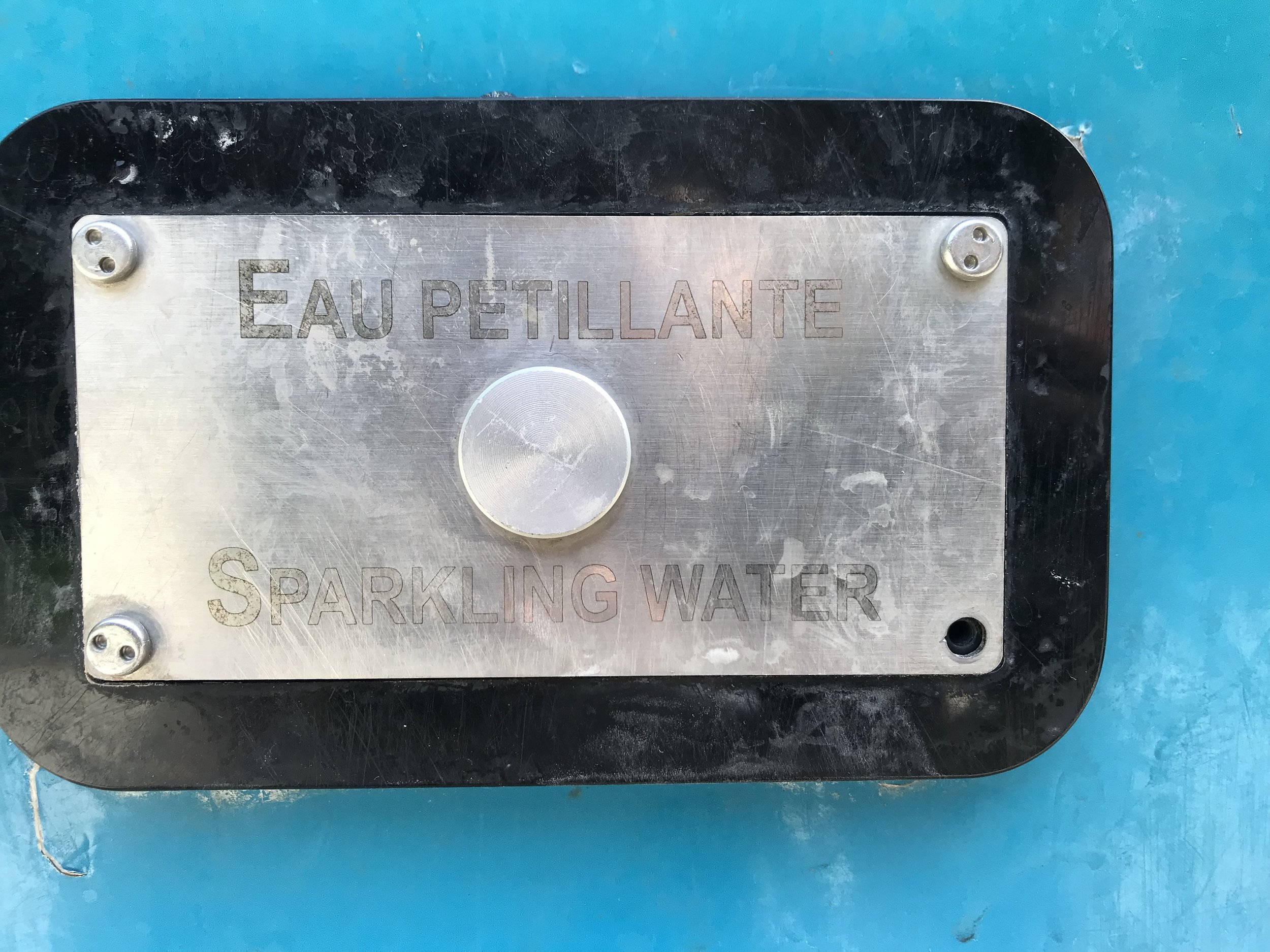
Pétillante (sparkling, often co-located with flat and chilled options)
-
This research identified a gap in understanding between residents and city officials. The goal of the city was to support France’s efforts to reduce single-use plastic bottled water usage as part of a larger European sustainability effort. However, residents did not draw the connection between the prevalence of drinking fountains and using them as a sustainability habit. Residents also expressed confusion on how to find specific fountain types (sparkling, for example). However, residents expressed high interest in the city enacting policies that support sustainable practices. Since this project concluded, Paris has increased options for foot and cycle traffic and updated their mapping tools for the fountains. The lessons from this research apply more broadly to other cities aiming to enhance the sustainability choices their residents make.
Some Favorite Highlights
〰️
Some Favorite Highlights 〰️
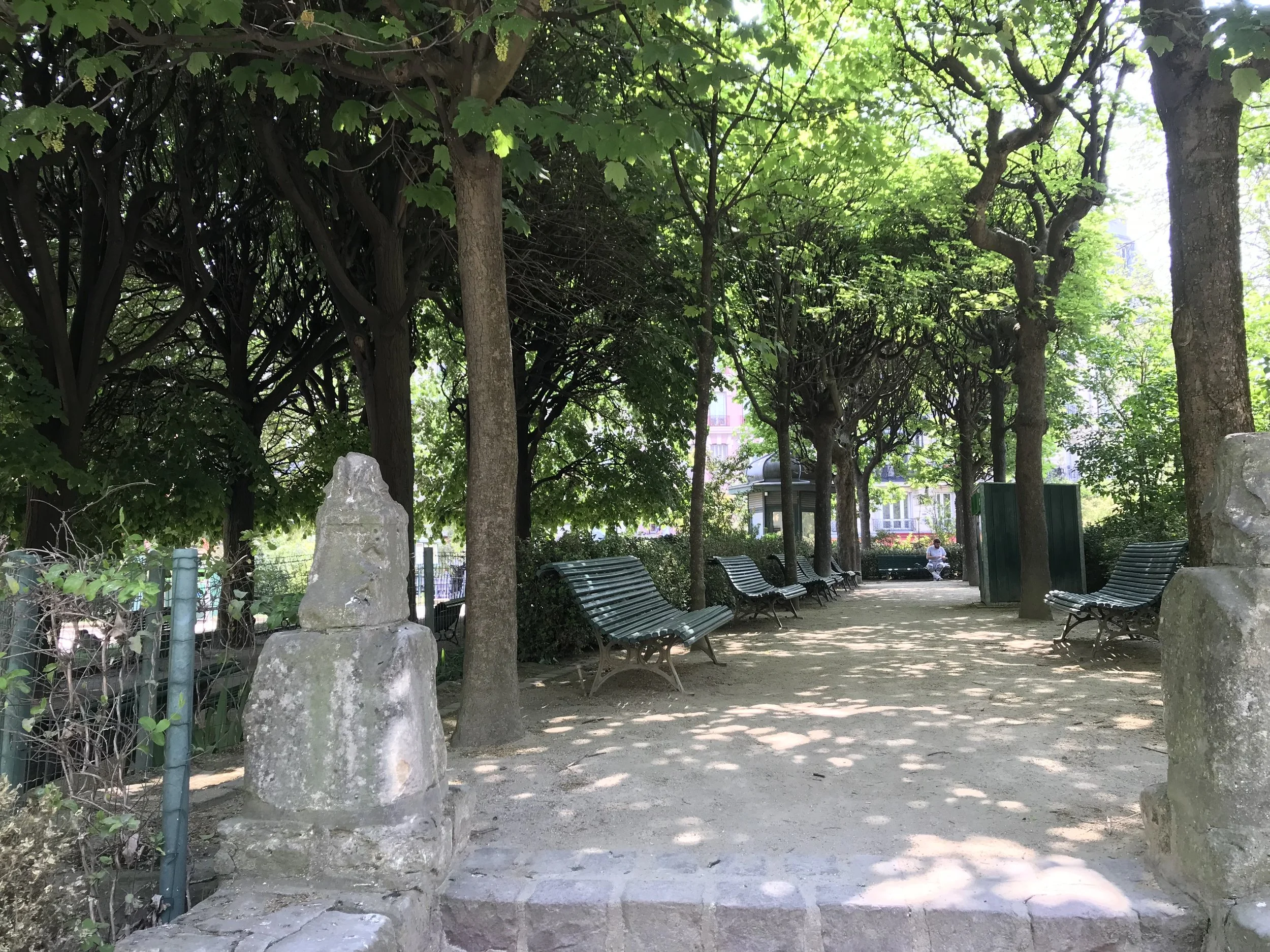
Public fountains are historically, and currently, seen as convivial places of community cohesion. They often have benches nearby to encourage socialization and slowing down.
Many fountains include low-height basins for pets, to encourage owners to spend more time outdoors walking with them. There are also 360-degree spouts, including ones at various heights, to ensure that visitors with mobility differences have equal access.
A set of fountains was commissioned as a community art installation, establishing water as an art medium and creating community involvement.
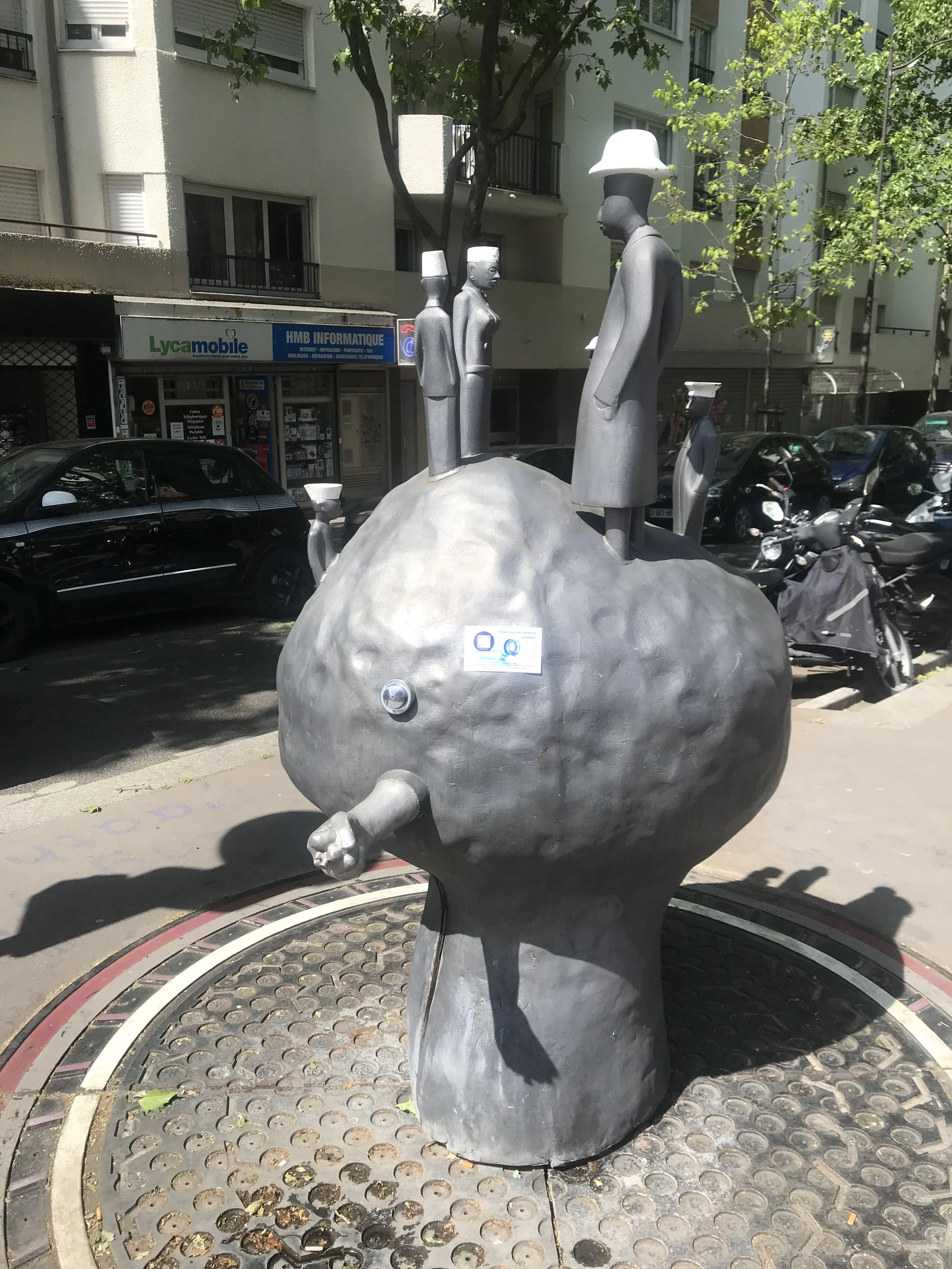
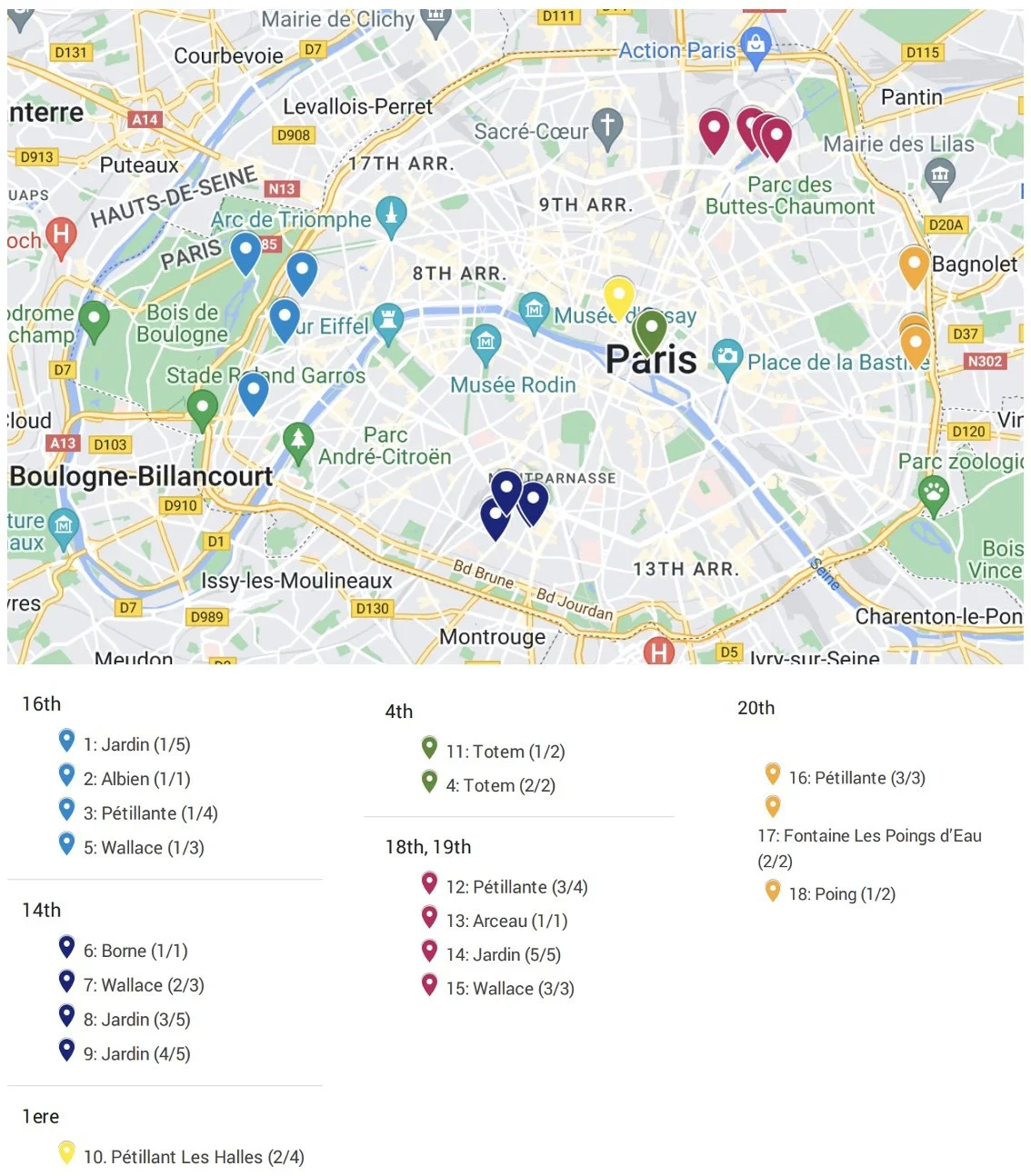
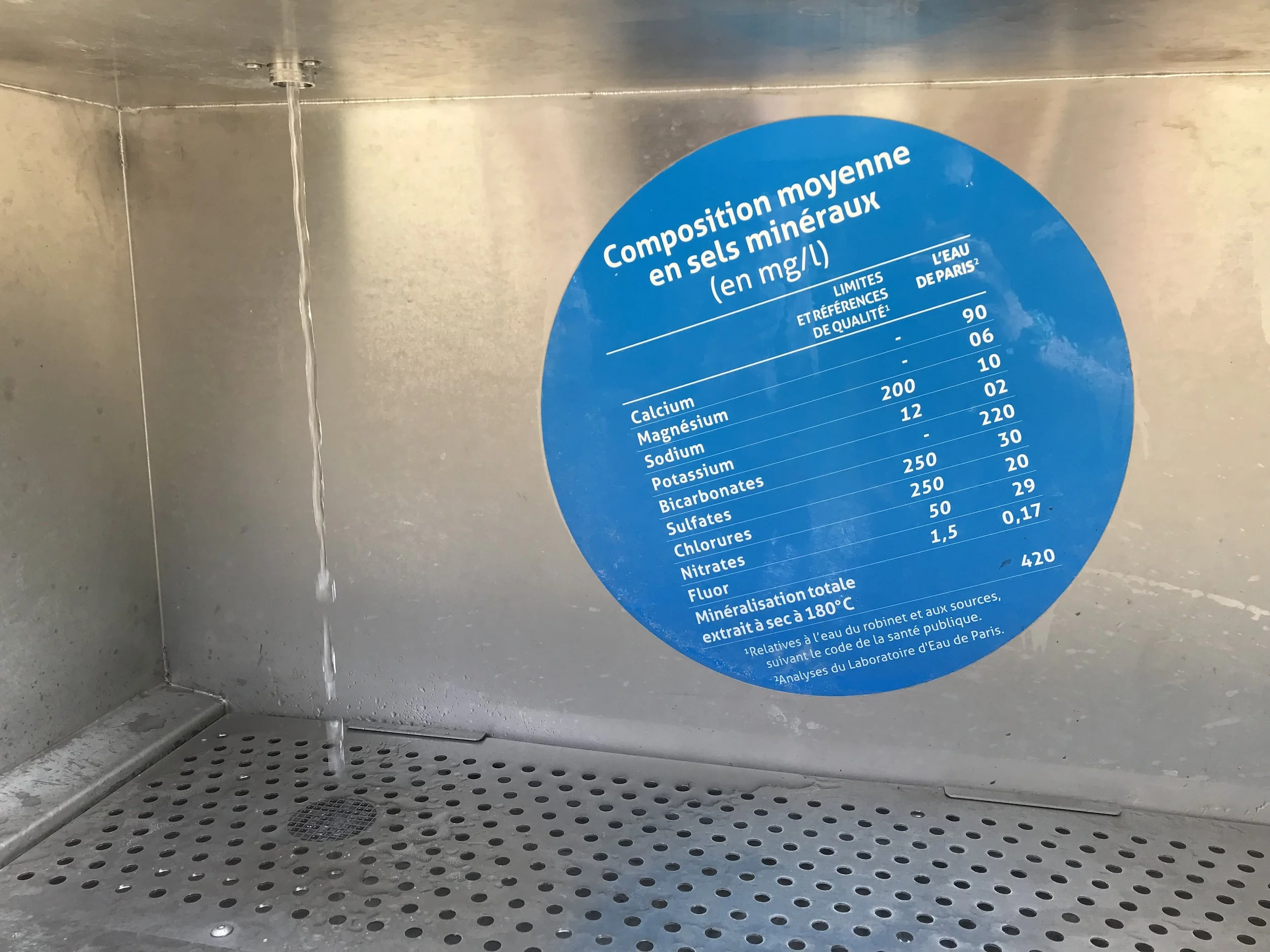
The gallery below contains content from this dissertation. At the beginning is the survey poster I created and posted at sites across Paris. Next is an archival poster of a Wallace fountain (the original style of public fountain in Paris) with original pewter drinking cup attached. I’ve also included a snippet of the SPSS analysis I conducted on the survey results, displaying reusable water bottle usage at fountains by respondents. I included a map I created of my survey locations as well as a word cloud based on survey responses. Finally, you’ll see a series of fountains representing the various types of public drinking fountains around the city.