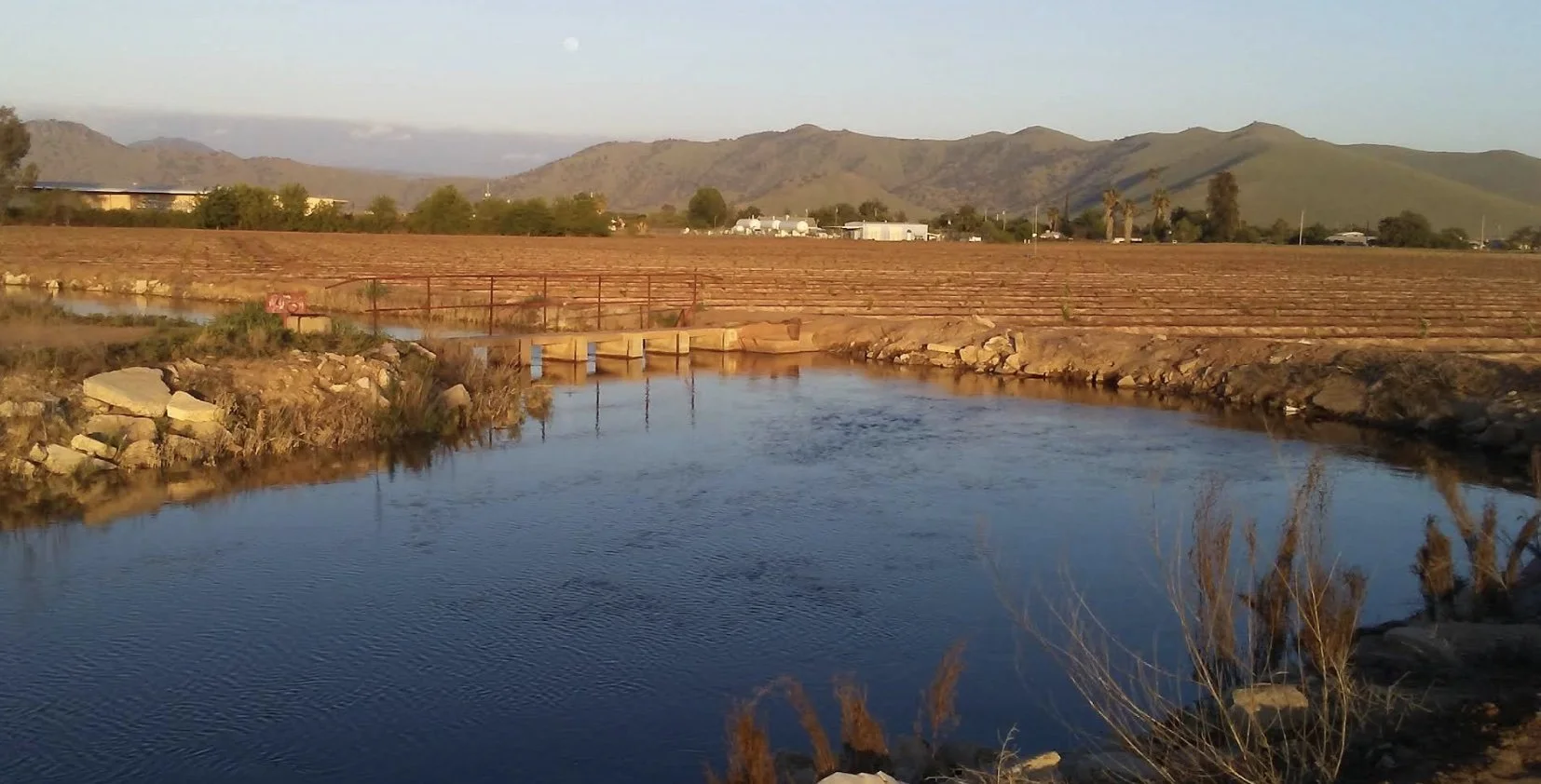
Project Management: Regionalizing water solutions
The Situation: The teams I work with are dedicated to bringing clean, affordable, and equitable drinking water to California’s underserved communities. Oftentimes, these communities have experienced broken promises and harmful policies at the hands of government agencies. That’s true for this project, so it was important to build relationships and trust.
The Complication: Planning water projects takes technical studies and plans for funding. It’s a lot of jargon-heavy reports, including complicated legal language. That makes it hard for residents to stay informed and participate meaningfully, restricting progress. The lack of trust further complicates the region’s comfort moving forward together.
The Resolution: I led my team in hosting a series of public meetings to address these issues, and hired additional staff to maintain a stronger, consistent presence in these communities. Together, we focused on mitigating residents’ concerns and creating opportunities for clear, plain language communication. A big win was when all the local water boards agreed to notice and attend these joint sessions, allowing the conversation between communities to develop. As of the end of 2025, these local boards are working to draft their initial regionalization agreement.
Advancing holistic water solutions across a Central Valley region.
This project seeks to innovate region-wide water solutions. Rather than address water quality and water quantity issues on a system-by-system basis, the goal of this project is to work with seven communities in the same area to develop and implement a cohesive approach.
In this case, the result would be a shared governance structure in addition to a technical solution. By leveraging their collective power, each community would be able to access solutions that might otherwise be out of reach technically and financially.
For this project, I led my team in developing an engagement strategy, organizing and hosting five public meetings, developing outreach materials, and liaising between technical and financial teams and the water systems and residents. If these systems establish joint governance, it would be a precedent-setting achievement and pave the way for further regional projects.
Role: Project Manager
Duration: 2+ years (ongoing since Jan 2024)
Sites: Cutler, Orosi, E Orosi, Yettem, Seville, Monson, Sultana
-
Some water solutions include merging a small system into a larger one. In this case, we have a set of smaller systems with similar water issues. Instead of onesie-twosie solutions, we thought, why not work with all the systems at the same time to create a region-wide water solution?
-
This area has a history of unsuccessfully attempting regionalization, leaving distrust and resistance to further attempts. While these communities have similar water issues, they are also at different stages of resolving them; only some systems are failing, and there are multiple projects underway in this area. In addition, some of the systems already share joint governance structures.
-
Overcoming the issues created by the earlier failed regionalization is a key component to project success.
For this project, my team and I developed an engagement strategy to address these past issues. I worked with my team to organize a series of five public meetings over a one-year period to collectively vision a regional water solution.
-
As the project nears completion at the end of 2025, these communities are working with the State Water Board Division of Drinking Water to receive potential approval of their governance and technical plans.